
Currently Empty: $0.00
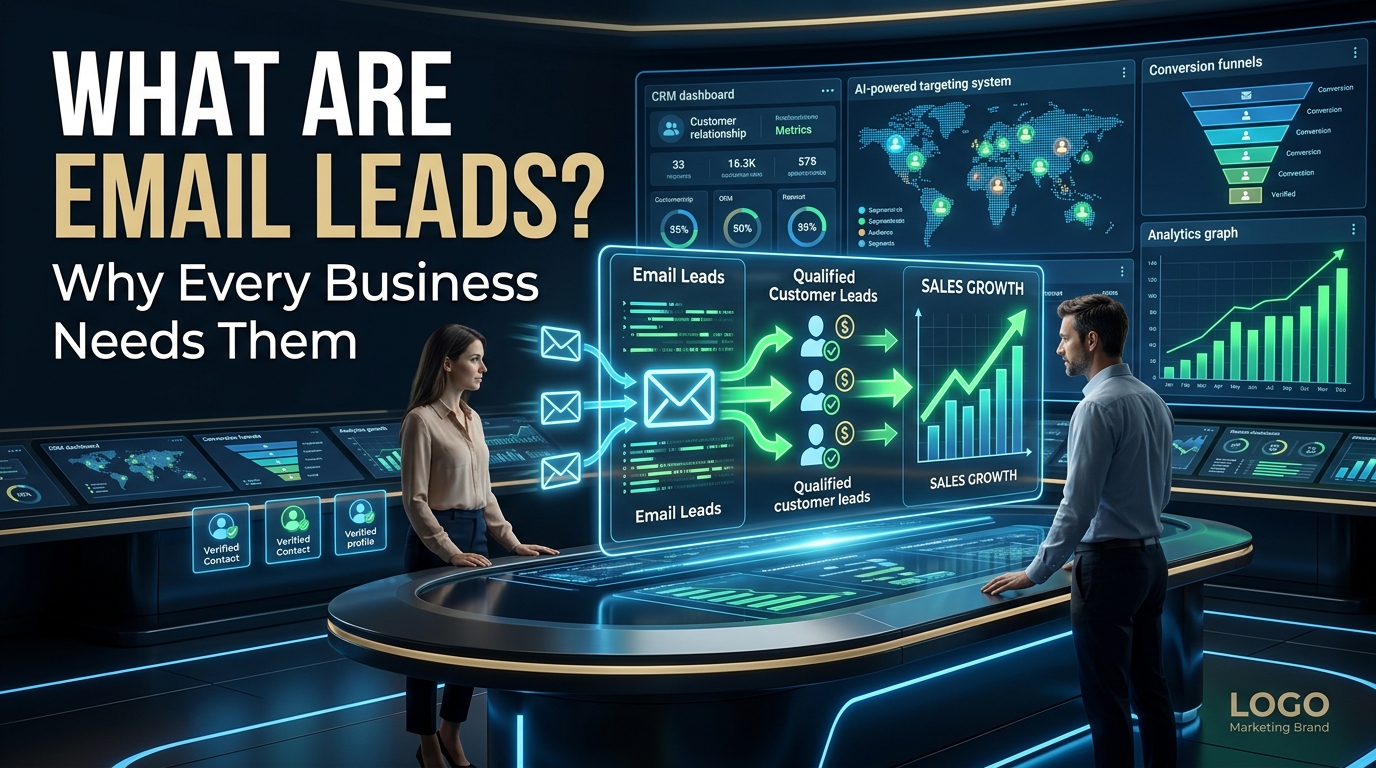
Last year I was helping a friend set up cold outreach for his small SaaS tool, and he kept asking me the same question over and over: “Bro, where do I even get these email leads from?” He’d heard the term thrown around in every marketing group he joined, but nobody actually explained what it meant or why it mattered for a business his size. So I sat down with him one evening, opened up a spreadsheet, and basically walked him through everything I’d learned the hard way over the past few years. That conversation is basically what this article is.
So What Exactly Is an Email Lead?
In the simplest terms, an email lead is just a person’s email address that you’ve collected because they showed some interest in what you’re offering — or at least fit the profile of someone who might. That’s it. No fancy definition needed.
But here’s the part people get wrong: not every email you collect is a “good” lead. I learned this the expensive way when I bought a list of 5,000 emails from a shady data provider (don’t do this, by the way) and sent out a campaign that got maybe 3 replies and a dozen spam complaints. That’s when it clicked for me — a lead isn’t just an email address, it’s an email address attached to someone who actually might care about what you’re selling.
Why Email Leads Actually Matter for a Business
I used to think social media followers were more valuable than an email list. I was wrong, and Instagram proved it to me when they changed their algorithm overnight and my friend’s business page reach dropped by almost 70% in a week. His email list, on the other hand, still had the same open rates it always did, because nobody can take that list away from him or hide it behind an algorithm.
A few reasons email leads still work better than most people expect:
- You own the list. No platform can shadowban your inbox.
- Emails convert better than most social ads, especially for repeat customers.
- You can segment leads based on interest, so your messaging actually feels personal instead of spammy.
- It’s cheap. Tools like Mailchimp, MailerLite, or Brevo cost way less than running paid ads every month.
How I Actually Started Collecting Leads (Step by Step)
Here’s roughly the process I used for my friend’s SaaS, and it’s worked for a couple of other small businesses I’ve helped since:
Step 1: Create a real reason for someone to give you their email. Nobody hands over their inbox for nothing. We built a short free checklist related to his product and gated it behind an email signup form.
Step 2: Set up a simple landing page. We used a basic Carrd page at first because we didn’t want to overthink it. Later we moved to a proper landing page inside his WordPress site using Elementor.
Step 3: Connect the form to an email tool. We used MailerLite because it was free up to a certain number of subscribers and had decent automation. Every new signup automatically got tagged and added to a welcome sequence.
Step 4: Drive a little traffic to it. Nothing crazy — a few posts on relevant subreddits, a LinkedIn post, and some outreach in niche Facebook groups where his target audience hung out.
Step 5: Nurture, don’t just sell. The first three emails after signup were pure value, no pitch at all. The pitch only came in email four. This alone doubled his reply rate compared to when he used to pitch immediately.
Mistakes I Made (So You Don’t Have To)
I already mentioned the shady bought list disaster, but there were other slip-ups too. I once forgot to add an unsubscribe link on a manually sent batch of emails and got flagged as spam by Gmail’s filters for almost two weeks. Lesson learned — always use a proper email tool, never send bulk emails from a regular Gmail account.
Another mistake: collecting emails without ever emailing them for months. By the time we finally sent something, half the list had forgotten who we even were. Consistency matters more than volume.
Real Example That Actually Worked
A local skincare brand I consulted for briefly ran a simple “10% off your first order” popup on their Shopify store. Nothing fancy, just a basic OptinMonster popup. In two months they collected over 1,200 emails, and their email flow alone brought in more repeat revenue than their Instagram ads did that same period. Sometimes the boring, simple stuff just works.
Common Mistakes to Avoid
- Buying email lists instead of building them organically.
- Not segmenting your leads based on interest or behavior.
- Sending only sales emails with zero value in between.
- Ignoring email deliverability basics like SPF and DKIM setup.
- Ghosting your list for weeks and then wondering why open rates dropped.
Final Thoughts
Honestly, once you actually build a decent email list, you start seeing why so many businesses treat it as their most valuable asset. Ads get expensive, algorithms change, but your list stays yours. If you’re just starting out, don’t overthink the tech side of it. Pick a simple tool, offer something genuinely useful in exchange for the email, and be consistent with sending value before you ever ask for the sale. That’s really all there is to it — the rest is just refining it over time.