
Currently Empty: $0.00
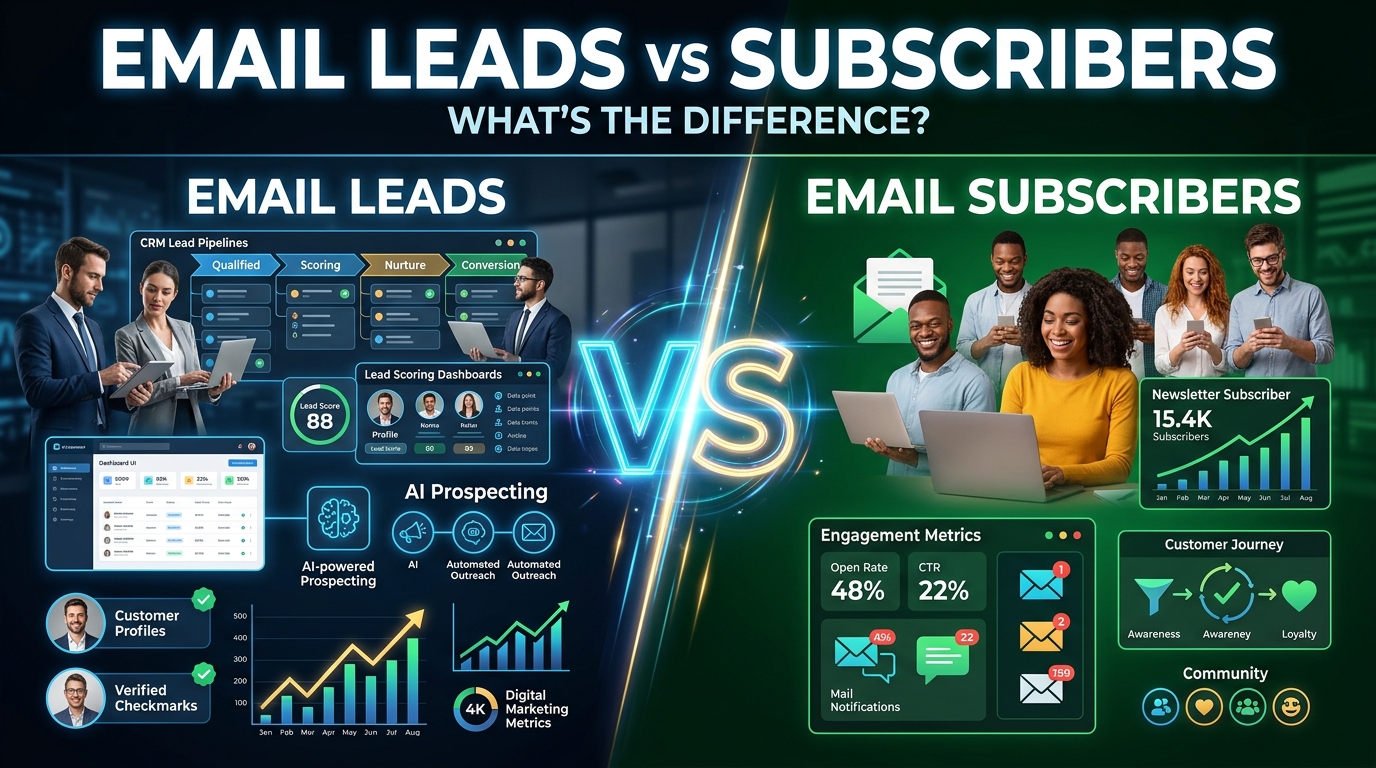
A client messaged me a few months back, kinda panicked, saying “I have 4,000 email leads but my open rates are terrible, what’s wrong with my list?” I pulled up his email tool and within two minutes I saw the issue — he didn’t actually have 4,000 leads. He had 4,000 subscribers, and a good chunk of them hadn’t opened an email in over a year. That’s when I realized how many people use these two terms like they’re the same thing, when honestly they’re not, and mixing them up can mess with your whole strategy.
The Quick Difference (Before We Go Deeper)
An email lead is someone whose email you’ve collected because they showed interest, but they haven’t necessarily agreed to get regular emails from you. An email subscriber is someone who has actively opted in to receive your emails on an ongoing basis, usually through a newsletter signup or a confirmed opt-in form.
Basically: every subscriber started off as a lead, but not every lead becomes a subscriber.
How I Actually Learned This the Hard Way
Early on, I used to dump every email I collected — from event sign-in sheets, from a downloadable freebie, from a random contact form — straight into my main newsletter list. I treated all of them the same. Big mistake.
My open rates dropped from around 32% to under 12% within a couple months. When I finally dug into it using Mailchimp’s audience insights, I realized a huge chunk of those “leads” never asked to be on a recurring newsletter. They just wanted the one freebie and moved on. Some of them even marked me as spam, which hurt my sender reputation for weeks after.
Where Leads Come From vs Where Subscribers Come From
Leads usually come from:
- Contact forms on your website
- Lead magnets like checklists, ebooks, or discount codes
- Trade shows, webinars, or networking events
- Cold outreach responses
Subscribers usually come from:
- Newsletter signup forms with clear opt-in language
- Blog “subscribe for updates” widgets
- Double opt-in confirmations (my personal favorite for list quality)
Step-by-Step: How I Now Separate the Two
Step 1: Tag everything at the point of collection. Whether I’m using MailerLite or ConvertKit, every signup form gets its own tag. A lead magnet download gets tagged “lead – checklist” while a newsletter signup gets tagged “subscriber – newsletter.”
Step 2: Set expectations clearly on the signup form. If someone’s just grabbing a freebie, I say so — “Get the free checklist, no spam, unsubscribe anytime.” If it’s a proper newsletter, I mention how often they’ll hear from me.
Step 3: Move leads into the subscriber list only if they engage. If a lead opens a few emails and clicks through, I move them into the main nurture sequence. If they go cold after the first email, I stop bugging them with regular content and just send occasional value-based emails instead.
Step 4: Clean the list every few months. I run a re-engagement campaign for anyone inactive for 90+ days. If they still don’t respond, I remove them. Yes, my subscriber count goes down, but my deliverability goes way up.
A Real Example That Changed My Mind on This
A friend running a small online course business had over 10,000 “subscribers” but was barely making sales through email. When we actually separated true subscribers (people who opted into the newsletter) from leads (people who just grabbed a free PDF once), the real engaged list was closer to 2,500 people. We focused campaigns only on that smaller group, and his click-through rate tripled almost immediately.
Common Mistakes to Avoid
- Treating every collected email as a newsletter subscriber automatically.
- Not tagging leads based on where or why they signed up.
- Ignoring engagement data and letting dead leads sit in your main list forever.
- Sending the same frequency of emails to leads and loyal subscribers.
- Never running a list cleanup, which slowly kills your sender reputation.
Final Thoughts
Once you actually separate leads from subscribers, your email marketing starts making a lot more sense. Your open rates go up, your unsubscribe rate drops, and you stop wasting energy emailing people who never really wanted to hear from you in the first place. It’s a small mindset shift, but it genuinely changes how your whole list performs over time.