
Currently Empty: $0.00
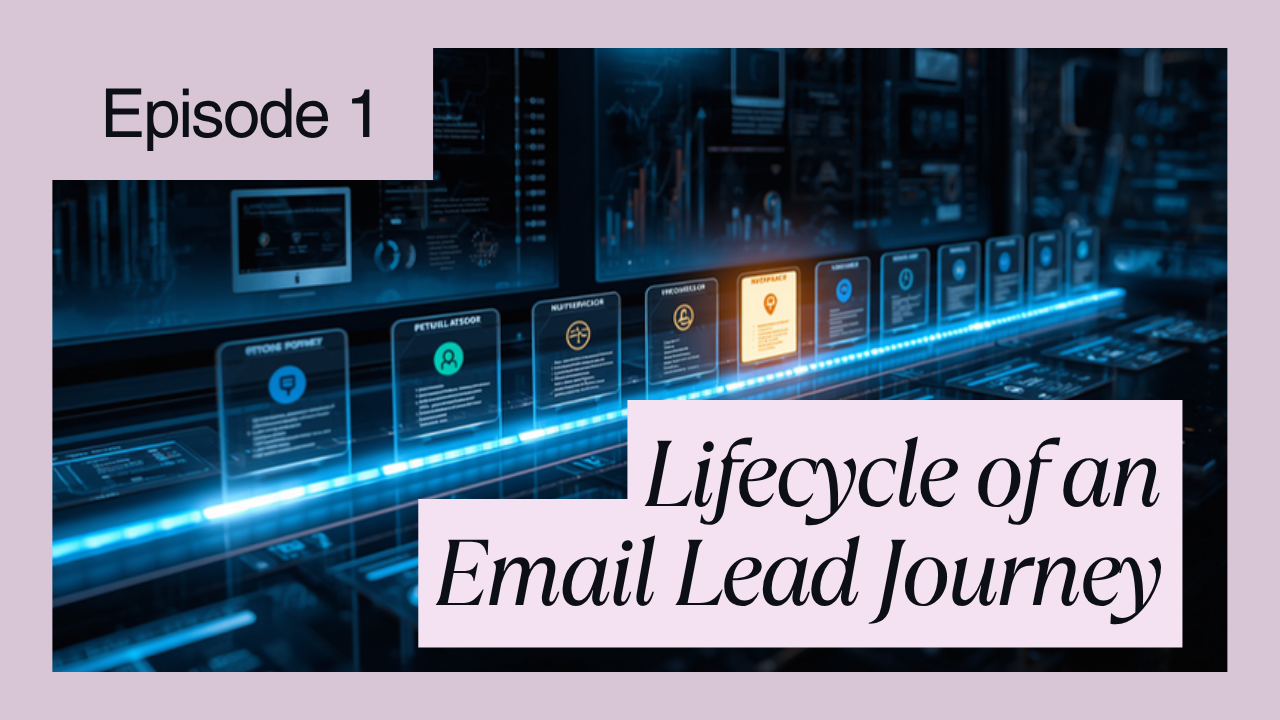
A few years back, I made a habit of actually following individual leads through their entire journey with a business, from the moment they signed up to whatever happened months later — either they bought, or they went quiet. Doing this for one client’s list taught me more about email marketing than any course or article ever did. Watching real people move (or not move) through the stages made the whole “lifecycle” concept click in a way that just reading about it never did.
Stage 1: Capture
This is the moment someone hands over their email, usually in exchange for something — a checklist, a discount, a free trial. I tracked one lead, let’s call her a marketing manager at a small firm, who signed up for a free industry report we’d created. At this stage, she was basically a stranger who happened to want one specific thing.
Stage 2: Initial Engagement
Right after signup, there’s a short window where interest is highest. She opened the delivery email within an hour, and clicked through to read the actual report the same day. This early engagement matters a lot — leads who don’t open anything in the first few days often go cold fast.
Stage 3: Nurture
Over the next few weeks, she received a short sequence of value-focused emails — a case study, a quick tip related to her industry, and eventually a soft mention of our client’s service. She opened most of these, clicked on the case study specifically, but didn’t respond to anything directly yet.
Stage 4: Qualification
About three weeks in, she visited the pricing page twice within the same week, based on the tracking we had set up through our email tool’s website tracking feature. That behavior bumped her lead score enough to move her from a general marketing lead into what we’d defined as sales-ready.
Stage 5: Sales Conversation
A sales rep reached out with a short, personalized email referencing the case study she’d engaged with earlier. She replied within a day, they scheduled a call, and the conversation felt natural since the rep already had context on what she cared about, instead of starting completely cold.
Stage 6: Conversion (Or Not)
In her case, she became a paying customer about five weeks after her original signup. Not every lead follows this path though — plenty of leads in that same batch dropped off after the nurture stage and never re-engaged, which is completely normal.
Stage 7: Post-Purchase (Often Forgotten)
Once she became a customer, we didn’t just stop emailing her. She got onboarding emails, a request for feedback after a month, and eventually content aimed at upselling a higher plan. A lot of businesses treat the sale as the finish line, but the lifecycle really continues well beyond that first purchase.
Step-by-Step: How to Track This for Your Own Leads
Step 1: Set up proper tracking from day one. Use your email tool’s website tracking (ConvertKit and ActiveCampaign both offer this) so you can see actual behavior, not just guesses.
Step 2: Map out your own stages clearly. They don’t have to match mine exactly, but you should know what counts as “engaged,” “qualified,” and “sales-ready” for your specific business.
Step 3: Build content for each stage, not just a generic blast. Early-stage leads need value and trust-building, later-stage leads need more direct, specific information.
Step 4: Don’t stop at the sale. Build a post-purchase sequence too, since retained and upsold customers are usually cheaper to keep than acquiring brand new leads.
A Real Example That Reinforced This
Tracking individual lead journeys like this for a SaaS client revealed that most converting customers engaged with a specific case study before ever becoming sales-ready. Once we noticed this pattern, we moved that case study earlier in the nurture sequence for everyone, and overall conversion rate from lead to customer improved by close to 20% over the following quarter.
Mistakes I’ve Seen Happen at Each Stage
Businesses often nail the capture stage with a decent lead magnet, then completely drop the ball on nurture by either going silent for weeks or pitching way too early. On the other end, plenty of businesses treat the sale as the finish line and let post-purchase communication go stale, missing obvious upsell or retention opportunities.
Common Mistakes to Avoid
- Going silent after capture instead of engaging quickly while interest is high.
- Pitching too early before any trust has been built through nurture content.
- Not tracking actual behavior, relying on guesses about lead readiness instead.
- Treating the sale as the end of the relationship instead of the start of a new stage.
- Using the same generic content for leads at completely different stages.
Final Thoughts
Once you actually watch leads move through this whole lifecycle, from that first signup all the way to becoming a customer and beyond, it becomes a lot clearer where your own process might be breaking down. Every stage needs a slightly different approach, and the businesses that respect that tend to convert noticeably better than the ones sending the same message to everyone regardless of where they actually are in the journey.