
Currently Empty: $0.00
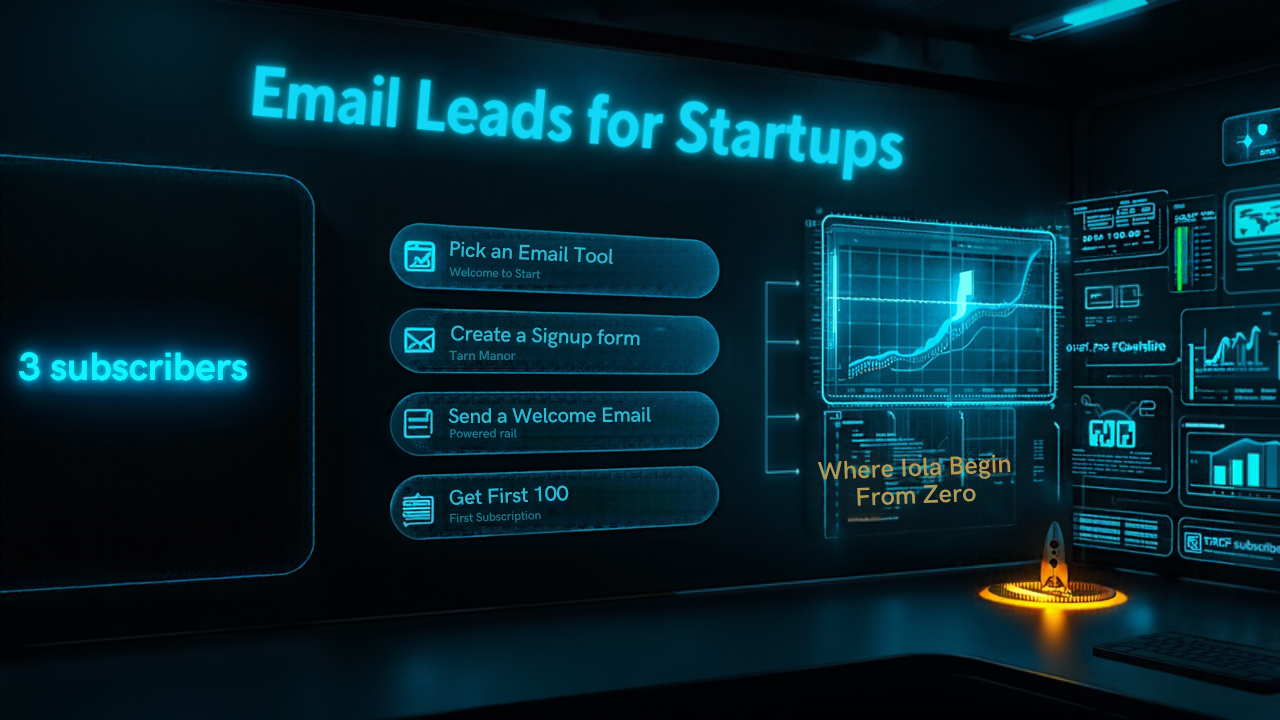
A founder reached out to me a while back, maybe two months into launching his startup, completely overwhelmed. He’d read about email marketing being essential but had literally zero idea where to actually start. No list, no tool set up, not even a clear idea of what he’d say in an email if he had one. We spent an afternoon just getting the absolute basics in place, and honestly, most of what worked for him applies to pretty much any early-stage startup trying to figure this out from scratch.
Why Startups Especially Need to Start This Early
I get why email feels like a “later” problem when you’re focused on building the actual product. But waiting too long means missing out on months of compounding list growth. That founder’s blog, once he started actually collecting emails, kept generating new signups on autopilot within a few weeks, and those early subscribers became some of his first paying customers once the product launched.
Step 1: Pick a Simple Email Tool (Don’t Overthink This)
He got stuck for almost a week comparing every email platform out there. I told him to just pick one that’s beginner-friendly and cheap or free at low volume. We went with MailerLite since it had a solid free tier and simple automation. ConvertKit and Brevo are also solid beginner-friendly options depending on your needs.
Step 2: Create One Simple Lead Magnet
Instead of overthinking a huge resource, we created a short, focused one-page PDF answering a specific question his target audience kept asking in relevant online communities. Took an afternoon in Canva. Simple, but it worked because it solved a real, specific problem.
Step 3: Build a Basic Landing Page
We used Carrd for a super quick single-page site, just a clear headline, a couple bullet points about what they’d get, and the signup form. No need for a fancy custom-built site this early on.
Step 4: Start Collecting Before You Even Launch
This is the part most startups skip. He started collecting emails almost two months before his actual product launched, using a simple “get early access” angle. By launch day, he already had around 300 warmed-up leads who’d been getting occasional updates, instead of launching to complete silence.
Step 5: Send Something Regularly, Even Before Launch
We set up a short, casual monthly update email — building in public style, sharing progress, small wins, even setbacks. This kept his early list engaged and made the eventual launch email feel like it was going out to people who already knew him, instead of cold strangers.
Step 6: Have a Clear Welcome Sequence Ready for Launch Day
When the product actually launched, new signups got a short 3-email welcome sequence: what the product does, a specific use case, and a limited-time early access offer. This alone converted a decent chunk of his list into actual paying customers within the first week of launch.
Real Numbers From This Specific Case
By the time he launched, his pre-launch list of around 300 people converted at roughly 12% into paying customers in the first week alone, which gave him meaningful early revenue and, just as importantly, early user feedback to improve the product quickly.
Mistakes Startups Commonly Make Here
I’ve seen founders wait until literally launch day to start building an email list, missing out on months of potential warm leads. I’ve also seen founders overthink the tech setup for weeks instead of just picking a decent tool and getting started. Perfect is genuinely the enemy of done in this specific area.
Common Mistakes to Avoid
- Waiting until launch day to start building an email list.
- Overanalyzing which email tool to use instead of just picking one and starting.
- Creating an overly complex lead magnet instead of something simple and specific.
- Going silent for weeks after someone signs up, losing early interest.
- Not having a welcome sequence ready before your actual launch day.
Final Thoughts
If you’re a founder feeling overwhelmed about where to even start with email leads, the honest answer is smaller and simpler than it probably feels right now. Pick a basic tool, create one focused lead magnet, start collecting early, and stay consistent with even short, casual updates. That founder’s experience showed me that the businesses who start this early, even messily, tend to launch with way more momentum than the ones who treat email as an afterthought.