
Currently Empty: $0.00
I remember sitting in on a sales call with a friend who runs a small digital marketing agency, and he was pitching a “hot lead” the exact same way he pitches someone who just randomly filled out a random contact form. Same script, same energy, same offer straight away. The guy on the other end got annoyed and hung up within two minutes. Later I told my friend, “Bro, that wasn’t a hot lead, that was barely lukewarm.” He looked at me confused, and that’s when I realized a lot of people genuinely don’t know the difference between cold, warm, and hot leads — and it’s costing them sales without them even realizing it.
The Basic Difference in Plain English
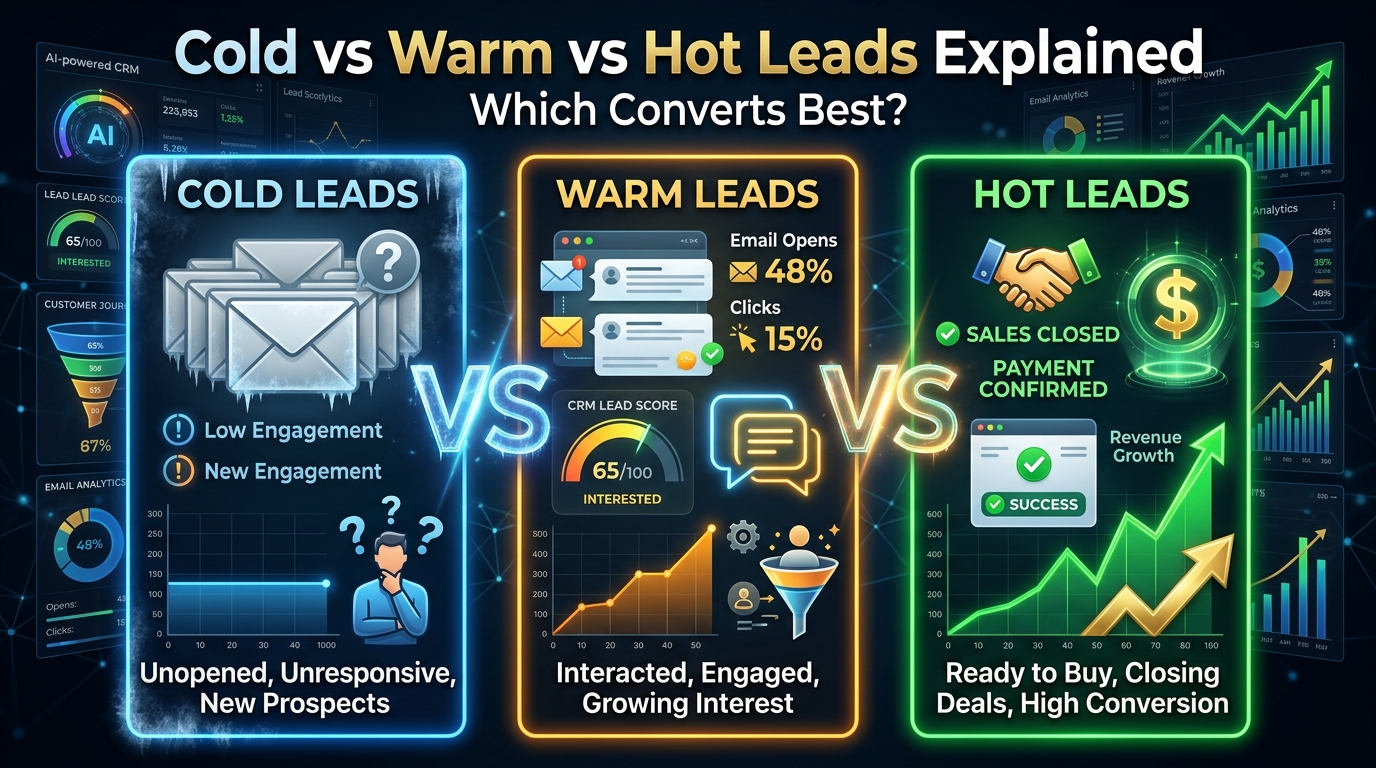
Think of it like meeting someone at a party. A cold lead is a total stranger you just walked up to. A warm lead already knows a bit about you, maybe you’ve talked once before. A hot lead is basically already interested and just needs a little nudge to say yes.
Cold Leads: Starting From Zero
Cold leads have zero prior interaction with your brand. They didn’t sign up for anything, didn’t click on anything, they’re just someone who fits your target audience on paper. Think cold emails, cold calls, or a random LinkedIn connection request with a pitch attached.
I used to treat cold leads way too aggressively when I first started freelancing. I’d send a cold email and immediately ask for a paid consultation call. Response rate was basically zero. The mistake was skipping the “getting to know you” step entirely.
Warm Leads: They’ve Heard of You
Warm leads have had some kind of touchpoint with you already — maybe they downloaded a free resource, followed your page, or a mutual friend mentioned your business to them. They’re curious but not ready to commit yet.
When I switched from cold pitching to warming people up first — sending a helpful resource, engaging with their content, commenting genuinely on their posts before ever pitching anything — my reply rate jumped from around 2% to almost 15%. Same audience, completely different approach.
Hot Leads: Ready to Buy (Almost)
Hot leads are the ones actively looking to buy or sign up. They’ve maybe booked a call, added something to cart, or directly asked “how much do you charge?” These people just need clarity, reassurance, or a nudge to finalize the decision.
I once let a hot lead sit for three days because I was “too busy” to reply to his email. By the time I responded, he’d already gone with a competitor. Lesson learned — hot leads need fast responses, not perfect ones.
Step-by-Step: How I Now Handle Each Type
Step 1: Tag every lead by temperature the moment they come in. I use simple tags in my CRM (I personally use HubSpot’s free tier) — cold, warm, hot — based on their source and behavior.
Step 2: Match the message to the temperature. Cold leads get value-first content, no pitch. Warm leads get a soft invitation to chat or a case study. Hot leads get a direct, fast, no-fluff response.
Step 3: Move leads up the ladder gradually. A cold lead who opens three emails in a row and clicks a link becomes warm. A warm lead who books a call becomes hot.
Step 4: Set response time rules for hot leads specifically. I personally aim to reply to any hot lead within an hour during work hours. Even a quick “got your message, replying properly in a bit” keeps them engaged.
A Real Example That Made This Click for Me
A small ecommerce store I consulted for was running the exact same abandoned cart email for everyone — cold newsletter signups and people who’d actually added items to cart. Once we separated hot leads (cart abandoners) from cold ones (just newsletter subscribers) and gave hot leads a time-sensitive discount instead of generic content, their cart recovery rate nearly doubled in a month.
Common Mistakes to Avoid
- Pitching cold leads like they’re already hot and ready to buy.
- Letting hot leads sit too long without a fast response.
- Sending the exact same message to every lead regardless of temperature.
- Not tracking lead behavior to know when they’ve moved from cold to warm.
- Giving up on warm leads too quickly instead of nurturing them properly.
Final Thoughts
Once you start treating leads based on where they actually are in their journey with you, everything gets easier — your messaging feels more natural, and people stop feeling like they’re being pitched to too early or ignored too late. It’s really just about matching your energy to theirs at the right moment, instead of using one script for everyone.