
Currently Empty: $0.00
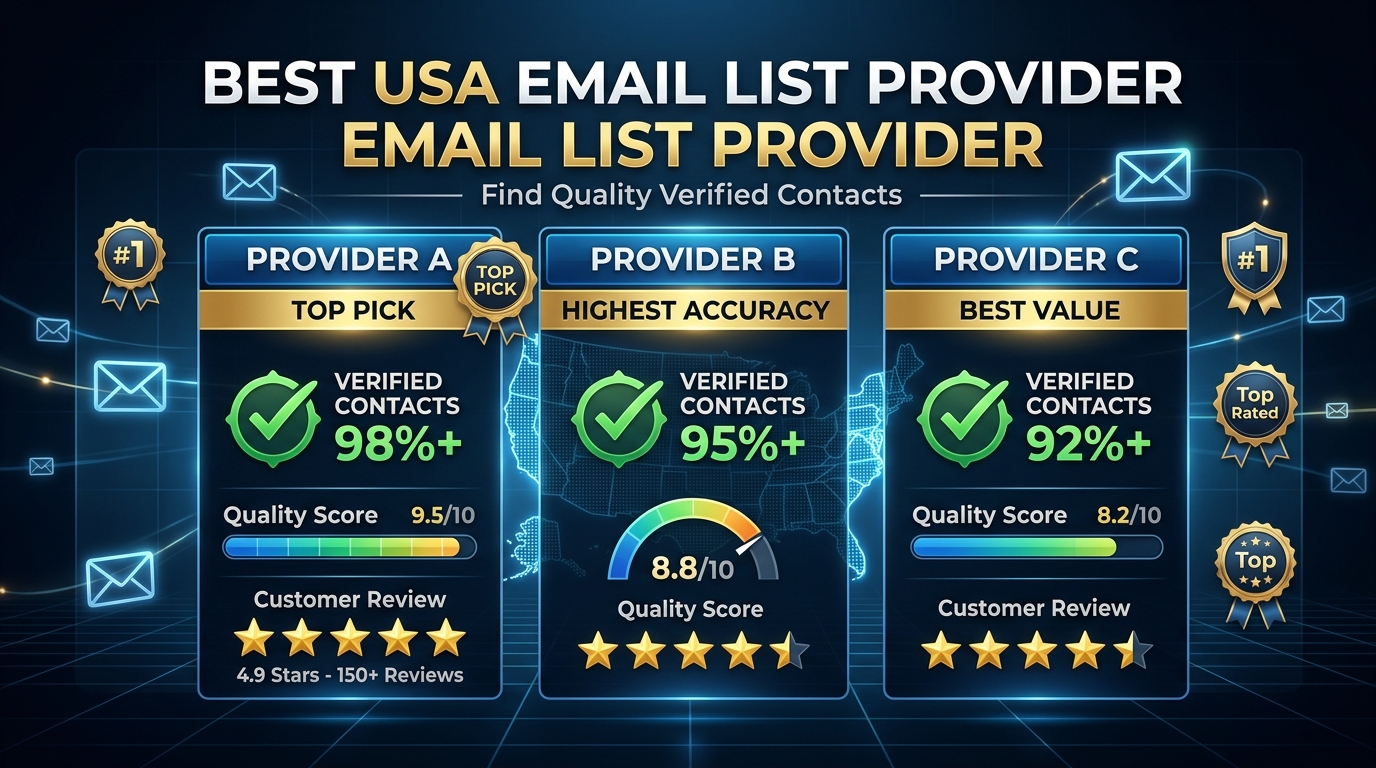
The Best USA Email List Provider Review: Find Quality Verified Contacts
If you’ve ever bought an email list and watched half of it bounce within a day, you already know the real problem isn’t finding a provider — it’s finding one that’s actually worth paying for. The market is full of options promising “verified” and “premium” contacts, and the gap between providers that actually deliver and ones that just sell outdated CSV files is bigger than most buyers expect going in.
What Separates a Good Provider From a Bad One
After comparing how different providers actually present and verify their data, a few things consistently separate the decent ones from the disappointing ones. It’s rarely about flashy marketing — it’s about the unglamorous stuff: how recently the data was updated, how verification actually works, and whether the provider is upfront about where the contacts came from.
What to Actually Look For
A provider worth your money will usually tell you their verification method in plain language — things like double opt-in confirmation, regular bounce-rate testing, or periodic re-validation of older records. If a provider can’t explain how they verify accuracy, that’s a sign to keep looking. Update frequency matters just as much; a list that hasn’t been refreshed in over a year is going to have a noticeably higher bounce rate no matter how it was originally built.
What Surprised Me Looking at This Space
The biggest surprise is how much “verified” gets thrown around as a marketing word without real meaning behind it. Plenty of providers slap “100% verified” on a page with no explanation of what that actually involved. The providers worth trusting tend to be the ones who are specific about their process rather than just using the word as a selling point.
Who Should Be Shopping for a Provider Like This
Marketing teams, sales departments, and agencies that need a reliable, ongoing source of contact data rather than a one-time list purchase. If list quality directly affects your deliverability and sender reputation — which it always does — picking the right provider matters more than picking the cheapest one.
Who Should Hold Off
If you only need a handful of contacts for a very specific, narrow outreach campaign, a full provider subscription might be overkill compared to manual research or a smaller one-time list purchase. And if you’re not yet familiar with email compliance basics, it’s worth learning those first regardless of which provider you choose.
What to Compare Before You Buy
Pros of Using a Reputable Provider
- Clear, explainable verification process instead of vague “100% accurate” claims
- Regular data refresh cycles that keep bounce rates lower
- Transparency about data sourcing, which matters for compliance
- Often includes filtering tools so you’re not buying irrelevant contacts
Cons to Watch For
- Pricing can scale quickly if you need large volumes or frequent updates
- Even good providers can’t promise zero bounces — some decay is inevitable
- Quality varies a lot by region and industry, even within the same provider
- Free trials or samples are worth testing before committing to a bigger plan
Final Thoughts
The “best” provider isn’t the one with the boldest claims on their homepage — it’s the one that’s specific and honest about how their data is built and maintained. Before buying from anyone, ask for their verification process in writing, request a small sample if possible, and check how recently the list was last updated. That five minutes of due diligence saves a lot of wasted budget down the line.
Frequently Asked Questions
How do I know if an email list provider is actually trustworthy?
Look for providers who clearly explain their verification process and data sourcing rather than just claiming “100% verified” with no detail. Requesting a small sample list before a bigger purchase is also one of the best ways to judge real quality.
What does “verified” actually mean for an email database?
It usually means the provider has checked that the email address is active and properly formatted, often through methods like bounce testing or periodic re-validation. The catch is that verification standards vary widely between providers, so it’s worth asking exactly what their process involves.
How often should an email database be updated to stay useful?
Ideally every few months, since people change jobs and email addresses more often than buyers expect. A list that hasn’t been refreshed in over a year will almost always have a noticeably higher bounce rate, regardless of how good it was when it was first built.